Pokemon By Color
Around 72% of all base-form Pokemon land in a different color family when they go shiny. The migration maps below track every route across all 10 Pokedex colors, alongside per-color BST averages and legendary counts.
COLOR PALETTE
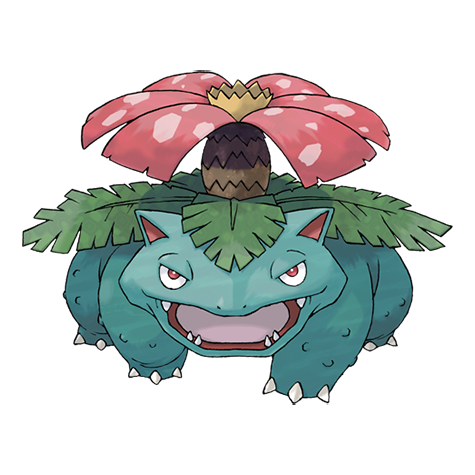
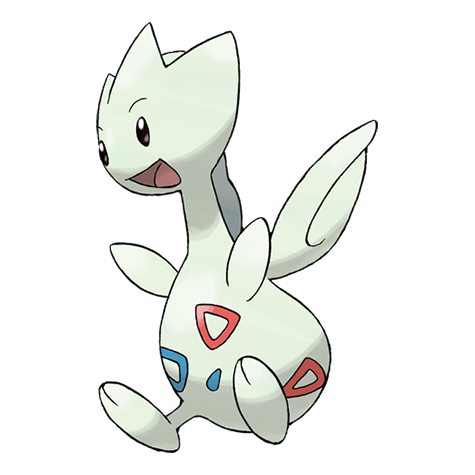
Game Freak classifies every Pokemon into one of 10 body colors, a system introduced in Ruby and Sapphire as the Pokedex's "body color" search filter. Blue holds the biggest roster at 173 species. Black is the rarest at just 52. The assignments follow Japanese color perception rather than English, which explains why there is no Orange category and why Pokemon like Bronzor end up filed under Green. Browse the palette below for species counts and sample sprites per group, then check the migration map to see how shiny palettes redistribute across the full spectrum.


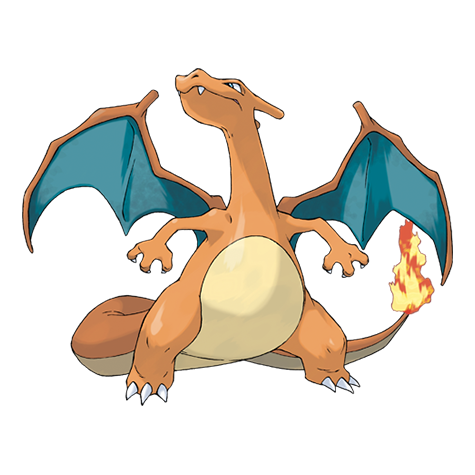


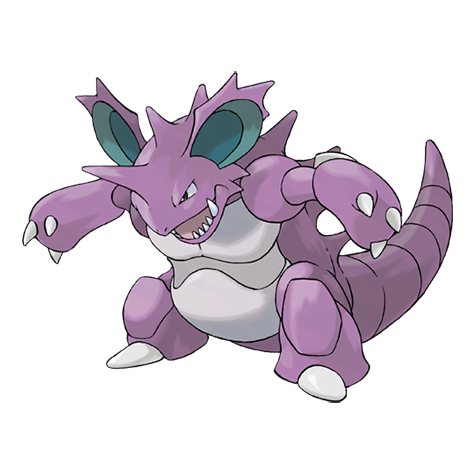
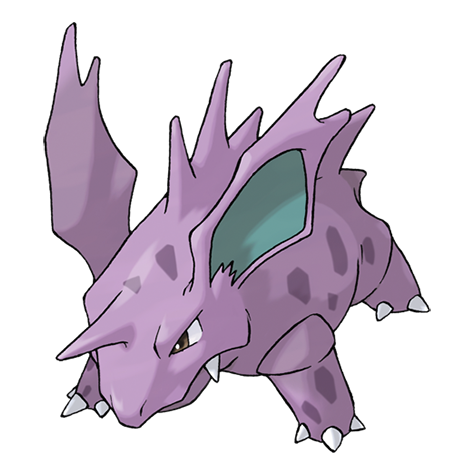


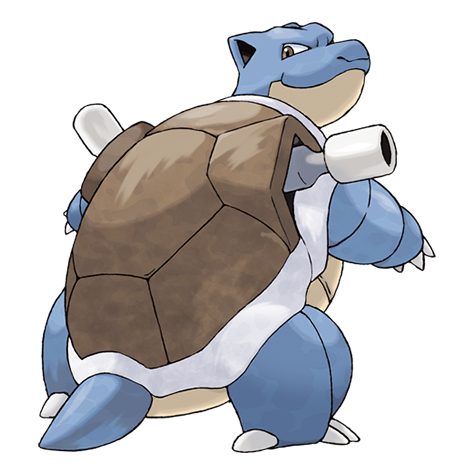






COLOR MIGRATION MAP
Each row shows one regular color and how its species distribute across shiny palettes. Hatched = shiny stays the same color; solid segments = shiny shifts to a different color. The callout on the right names the biggest non-self destination.
SHINY COLOR SHIFT
Shiny Pokemon do not mirror the regular color distribution. Blue jumps from 173 regular to 223 shinies, while White drops from 89 to just 19. Use this chart to find shiny hunts that produce rare palette colors.
ABOUT POKEMON COLOR CATEGORIES
How Pokemon are assigned a color
Every Pokemon species has one official color stored in the Pokedex data, set by Game Freak based on dominant body hue, not eyes or secondary markings. This classification debuted in Generation III (Ruby and Sapphire) as a "body color" search method in the Pokedex interface. Pokemon HOME labels it "main color." Regional forms usually inherit the base species color, but some diverge. Galarian Ponyta swaps the original White for Pink. Alolan Vulpix changes its Brown classification to White entirely. The assignment sticks per species unless a regional form shifts the dominant hue enough to warrant a reclassification.
The 10 official Pokedex color categories
The Pokedex uses exactly ten colors: Red, Blue, Yellow, Green, Black, Brown, Purple, Gray, White, and Pink. Blue (173), Brown (145), Green (128) are the three largest groups out of 1,025 total species. Black is the rarest at just 52. There is no Orange category. Warm-orange Pokemon like Charizard are filed under Red, amber-orange Pokemon like Arcanine land under Brown. The categories map to basic color terms in Japanese, where ao covers both blue and green. That is why Bronzor and Golett are classified as Green despite looking bronze or teal to English speakers.
Why is there no orange Pokemon color category?
The 10 Pokedex colors map to basic color terms in Japanese linguistics. "Orange" (orenji) was one of the last terms to become established as a distinct category in the language, and Game Freak stuck with the 10 most settled terms when building the search filter. Orange Pokemon get split across Red, Brown, and Yellow depending on their warmth. Charizard, Charmander, and Blaziken go Red. Arcanine and Vulpix land under Brown. Raichu sits in Yellow. Fans keep asking about this, but the system hasn't changed since its 2002 introduction in Ruby and Sapphire.
How shiny palettes redistribute color across the Pokedex
Shiny variants use hand-picked alternate palettes that don't follow the species-color assignment. Around 72% of base-form Pokemon land in a completely different color family when they go shiny. The biggest single migration route is Gray to Brown, with 27 species making that jump. Brown is also the top shiny destination overall, pulling in species from multiple source colors. The migration map above breaks down every route, so you can trace exactly where each color group's shinies end up. For rankings of which shiny Pokemon are worth hunting, check the Shiny Pokemon Tier List.
Surprising color classifications
Some Pokemon sit in categories that trip up English speakers. Druddigon is classified as Red even though its body is mostly blue, because Game Freak treated the red head and wings as dominant. Crobat lands in Purple for similar reasons, and you could argue Heracross should be Purple or Black before Blue. These edge cases come from Japanese color perception, where the boundaries between blue, green, and purple are drawn differently than in English. The color assignment is checked against a fixed palette of 10 options, so borderline Pokemon just get the closest match available.
POKEMON COLOR FAQ
Across all 1,025 species: Blue (173), Brown (145), Green (128), Gray (103), Red (99), Purple (89), White (89), Yellow (87), Pink (60), Black (52). These counts include every species that has a color assignment in the Pokedex data. Regional forms that change color are counted under their new classification.
Black Pokemon average 449 BST, the highest of any color group. The Black roster is small (52 species) with a high concentration of powerhouses. Brown sits at the bottom with 403 average BST. The spread is only about 46 points top to bottom, so color is a weak predictor of raw power.
Blue leads with 15 legendary and mythical species, and Pink has the fewest at 5. Legendary and mythical Pokemon cluster toward cooler color groups overall. The top four colors by legendary count hold more than half of the total mythical and legendary roster.
Around 72% of base-form Pokemon shift to a different color family in their shiny palette. The remaining 28% stay in the same color category, though they still look different through shade or saturation changes. Shiny palettes are individually assigned by Game Freak for each species, not generated by an algorithm.
The Pokedex has no Orange category, so orange-bodied Pokemon get sorted into Red, Brown, or Yellow based on their warmth. Charizard's dominant orange reads warm enough for the Red bucket. Other orange Pokemon land differently: Arcanine and Vulpix go under Brown, Raichu sits in Yellow. The split depends on whether the hue leans toward red warmth, earthy amber, or golden tone.
Gray to Brown is the biggest single route, with 27 species making that jump. Brown is also the top shiny destination overall, pulling in Pokemon from multiple source colors. The migration map on this page breaks down every source-to-destination route so you can trace where each color group ends up.
Yes. Some regional forms get a different color classification. Galarian Ponyta is Pink instead of the original White. Alolan Vulpix swaps Brown for White. These reclassifications are relatively rare, and most forms keep the base species color. Mega Evolutions and Gigantamax forms don't receive separate color assignments in the games.